The three regional schools
Bombay work is dense, floral and often inlaid with ivory or bone. Madras work is architectural, restrained, and carved in rosewood. Ceylon (Sri Lankan) work is ebony — dark, fine-grained, and worked with a delicacy the timber invites. Burmese teak from what is now Myanmar produced heavier carved pieces that later travelled back to merchant homes in Bombay.
What makes it collectible
These pieces sit at a genuine intersection of two traditions — European form, Indian craft. They were made in small numbers by named workshops, in timbers that no longer come out of the forest, and they were built to last. Genuine 19th-century pieces are increasingly rare; the pool is small and shrinking.
Common categories
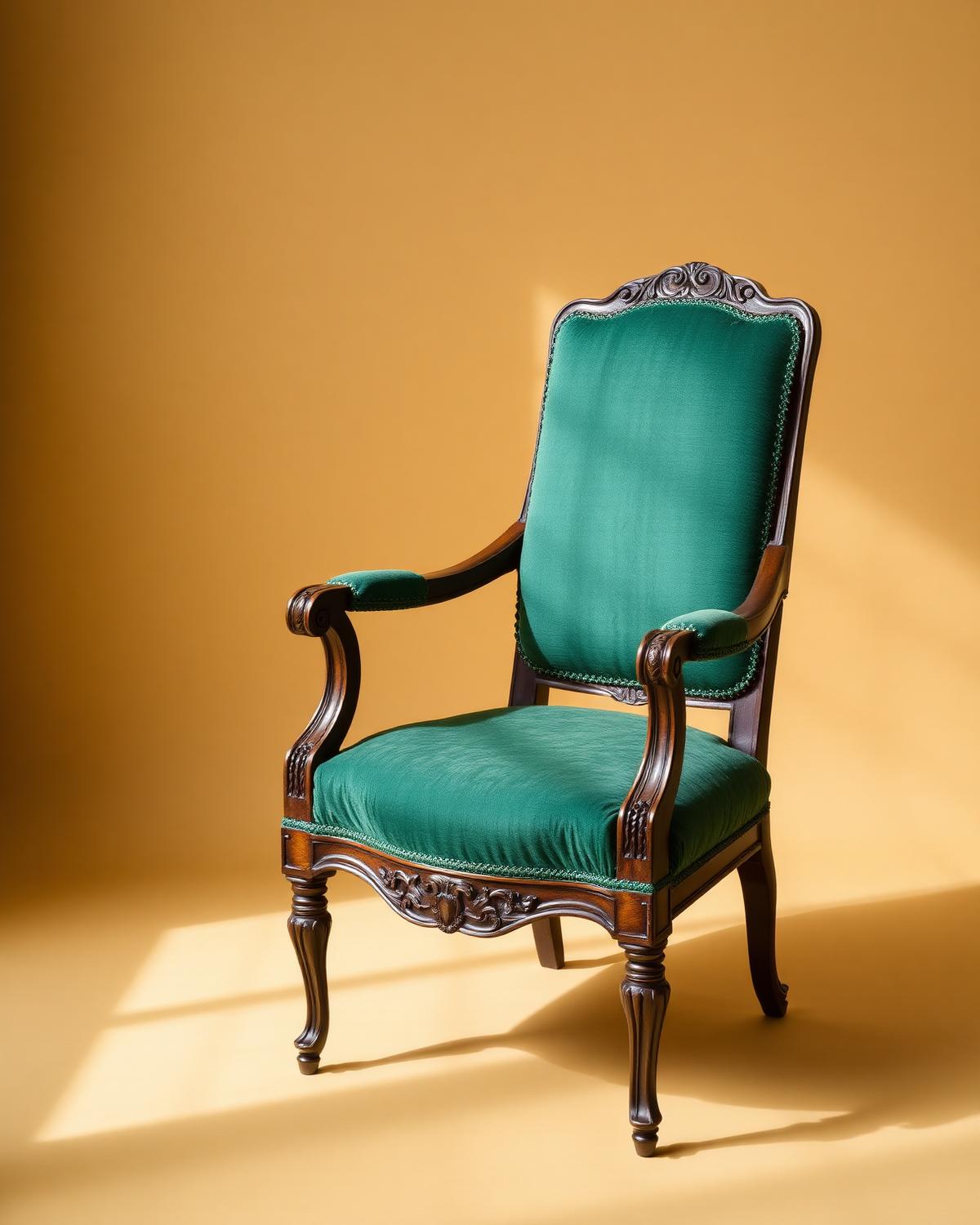
Planter's chairs, campaign chests, writing bureaus, four-poster beds, carved sideboards, ecclesiastical pieces from Goa, teak and rosewood dining sets. Ceylon ebony pieces — occasional tables, sewing boxes and small cabinets — appear periodically.
Investment value
Anglo-Indian furniture has appreciated steadily in the Indian market over the last twenty years. Because the category is finite, well-provenanced pieces tend to hold value and, in many cases, exceed original acquisition cost within a decade of purchase.
Frequently Asked
Questions collectors ask.
- What timbers are used in Anglo-Indian furniture?
- Primarily Burmese teak, Indian and Sri Lankan rosewood, and Ceylon ebony. Inlay is often ivory (on older pieces), bone (on later pieces) or contrasting timbers.
- How can I tell a Bombay piece from a Madras piece?
- Bombay carving is denser and more floral; Madras work is architectural, uses more rosewood, and is generally more restrained. Vinterior's provenance notes identify the school on every piece.
- Are these pieces suitable for daily use?
- Yes. Anglo-Indian furniture was built for hard use in a demanding climate and, when properly cared for, is one of the most durable categories of antique furniture available.
Enquire
See these pieces in person at our Mumbai gallery.
Vinterior is at G-74 / G-75 / G-76, An Nasr, Mutton Street, Mumbai. Visits are welcomed by appointment; enquiries by WhatsApp are answered the same day.